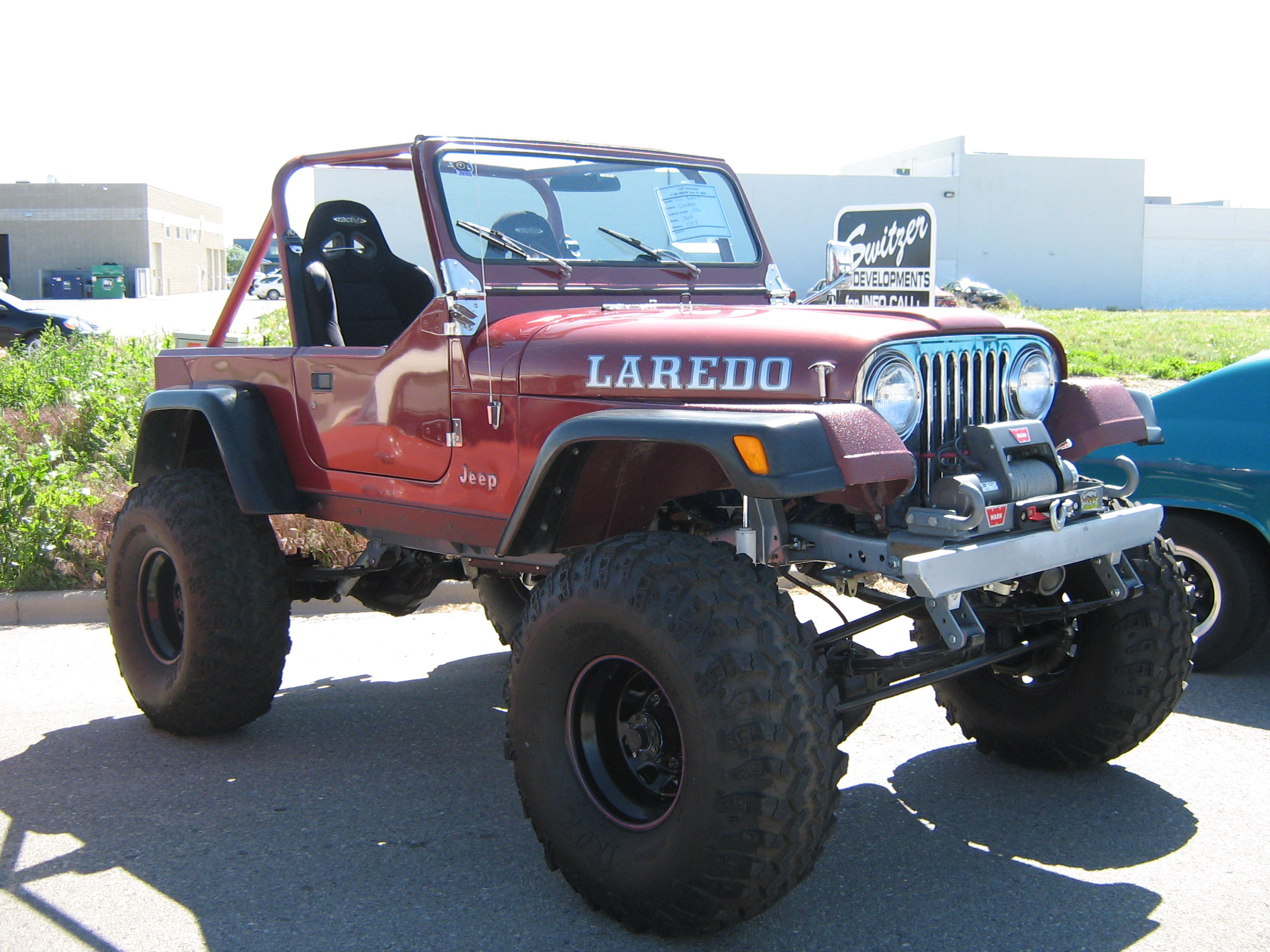

Walk through any trailhead staging area in 2026 and nine out of ten built rigs are running brightly colored synthetic winch rope behind an aluminum hawse fairlead. Yet the moment a recovery involves jagged granite ledges, muddy timber drags, or a hot drum brake, seasoned wheelers still argue for old-school aircraft wire cable.
So which one belongs on your bumper? The short truth is that neither line is indestructible, and neither is zero-risk. Synthetic rope solves steel's worst safety and handling headaches, while steel shrugs off the heat, UV rays, and rock rash that can ruin an unprotected synthetic line in a single afternoon. Before you spool up for the trails in our Trail Directory, here is how the engineering and real-world trail math actually shake out.
Synthetic Winch Rope vs. Steel Cable: Side-by-Side Specs
Modern synthetic winch lines are braided from 12-strand High Modulus Polyethylene (HMPE, also called UHMWPE—brand names like Dyneema SK75 or AmSteel-Blue). Steel winch lines are typically 6x19 or 7x19 Independent Wire Rope Core (IWRC) galvanized aircraft cable.
| Feature | 3/8" HMPE Synthetic Rope | 3/8" IWRC Steel Cable |
|---|---|---|
| Minimum Breaking Strength (MBS) | ~17,600–20,000+ lbs | ~14,400 lbs |
| Weight (per 100 ft) | ~4–5 lbs (floats on water) | ~25–30 lbs |
| Stored Recoil Energy | Low (usually drops, can still whip on shock) | High (violent snap-back hazard) |
| Abrasion Resistance | Moderate (requires rock guards) | Excellent (survives bare rock & bark) |
| Heat Tolerance | Low (keep under 212°F; melts ~290°F) | Very High (unaffected by drum brakes) |
| UV Resistance | Degrades slowly without a cover | Impervious to sunlight |
| Kinking & Burrs | Never kinks; no wire splinters | Kinks permanently; grows razor burrs |
| Recommended Fairlead | Thick hard-anodized aluminum hawse | 4-way steel roller fairlead |
Don't Oversize Your Line Diameter
A common mistake when upgrading from steel to synthetic is buying a thicker rope—jumping from 5/16-inch to 3/8-inch—thinking bigger is always safer. Match your OEM winch diameter. Because HMPE has a higher strength-to-diameter ratio than steel, a 5/16-inch synthetic line (often rated around 13,000+ lbs MBS) already exceeds the 1.5x winch-rating safety buffer on an 8,000-lb winch.
Stuffing oversized rope onto a standard drum reduces your wrap capacity, encourages the line to bunch up against the winch's tie bars during side pulls, and keeps your pull on higher drum layers where mechanical pulling power drops significantly.
The Recoil Safety Myth: Why Synthetic Still Needs a Damper
You have probably heard the claim that if synthetic winch rope snaps under load, it harmlessly falls straight to the ground like a wet noodle. That is a dangerous half-truth.
Here is what actually happens in the field:
- Sequential strand failure: When synthetic rope slowly chafes through on a rock, individual strands snap one by one, bleeding off stored tension in stages until the last fibers part and the line drops.
- Sudden catastrophic failure: If you shock-load the line, pinch it in a fairlead corner, or shear it across a sharp steel burr at 9,000 lbs of tension, all 12 strands fail instantaneously. Even though HMPE stretches far less than nylon and stores a fraction of the kinetic energy of steel cable, a sudden break still carries enough snap-back energy to dent body panels or injure someone standing in the line of fire.
Steel cable is undeniably deadlier when it parts—a snapped 3/8-inch steel line acts like a weighted whip that can slice through sheet metal, windshields, and limbs. Synthetic drastically lowers the severity of a break, which is why competition sanctioning bodies mandate it, but it never gives you permission to skip basic recovery discipline:
- Always hang a heavy winch damper (or a loaded recovery bag or heavy floor mat) over the middle third of the line on both steel and synthetic pulls.
- Clear the bight and recoil zone. Nobody stands closer than 1.5 times the length of the deployed line—including the spotter.
- Eliminate open metal hooks. Swap conventional latched hooks for a closed-system shackle mount or a soft shackle splice so a broken line doesn't launch a chunk of forged steel.
- Keep recovery specs handy offline. Save your rig's winch ratings and trail maps inside the Offline Field Glovebox before leaving cell service.
Rock Abrasion, Mud, and Drum Heat: Where Synthetic Actually Fails
If synthetic rope is lighter, stronger, and safer, why does anyone still buy steel cable? Because HMPE has three real-world enemies that will quietly destroy your line if you ignore them.
1. Sharp Rocks and Embedded Trail Grit
Under 8,000 lbs of tension, a bare HMPE rope sawing across a sharp sandstone or granite ledge can part in seconds. Worse yet is mud and fine sand: an open 12-strand braid acts like a sponge for grit. Once quartz sand works inside the fibers, every pull grinds the internal filaments against each other like sandpaper.
How to protect synthetic on rocky and muddy trails:
- Slide a Cordura or ballistic nylon abrasion sleeve over any section touching ground, ledges, or tree bark.
- Use a snatch block or aluminum recovery ring anchored high on a tree or boulder to lift the pull angle up and off the lip of a rock obstacle.
- After muddy recoveries, unspool the entire rope at home, dunk it in a bucket of water with mild dish soap while flexing the braid open to flush out grit, and let it air-dry before respooling under light tension.
2. Internal Drum Brake Heat (The Silent Rope Killer)
Most low-mount planetary electric winches house the automatic load-holding brake directly inside the drum. Pulling in generates modest motor heat, which isn't usually a problem. Powering out under load—such as lowering a heavy rig down a steep waterfall or backing down a slick shelf—forces the drum brake to absorb huge friction energy.
Drum surface temperatures during prolonged power-out winching easily exceed 212°F (100°C), which is the upper safe operating ceiling for HMPE. Around 290°F, the fibers physically melt, glaze into brittle plastic, and lose massive tensile strength—often on the innermost wrap where you can't see it until the line snaps on your next pull.
How to prevent heat failure:
- Free-spool the line out by hand whenever the vehicle is stationary and chocked; never power-out long lengths.
- Run a 10-foot heat-resistant sleeve (included on quality ropes like Warn Spydura or Master-Pull lines) on the first layer against the drum.
- Stick to short 45-to-60-second winching bursts followed by cooling pauses during heavy climbs.
3. UV Degradation
Steel cable doesn't care if your Jeep sits in a Moab or Phoenix driveway for three years. Unprotected synthetic rope slowly chalks, fades, and turns brittle under relentless UV exposure. Spending $35 on a neoprene or vinyl winch cover adds years to a synthetic line's lifespan—and keeps road salt and grime off the drum.
Fairlead Rules: Hawse vs. Roller Fairleads Explained
Switching from steel cable to synthetic rope—or vice versa—requires matching your fairlead hardware properly. Running the wrong setup will chew through a $300 rope in a single weekend.
Can You Use Synthetic Rope on a Roller Fairlead?
Yes, with one strict condition: the rollers must be brand new, perfectly smooth, and free-spinning (never previously touched by steel cable). Some expedition builders actually prefer stainless steel or Delrin roller fairleads with synthetic rope because rolling friction produces zero heat on extreme 45-degree side pulls.
However, never reuse a steel roller fairlead that already ran wire cable. Steel cable carves microscopic grooves and razor-sharp burrs into steel rollers. Those burrs will shred synthetic fibers the first time you pull at an angle. Standard steel roller brackets also protrude further off the bumper and can twist on rock impacts, pinching the rope in the corner gaps.
Why Thick Hard-Anodized Aluminum Hawse Fairleads Win
For 95% of trail rigs running synthetic, a CNC-machined aluminum hawse fairlead is cleaner, lighter, and won't snag on approach angles. But thickness and finish matter more than most buyers realize:
- Thickness (Bend Radius): Cheap generic hawse fairleads are 0.75 inches thick, forcing the rope around a tight corner radius under load. Upgrading to a 1.0-inch or 1.5-inch thick hawse fairlead (such as Factor 55 designs) creates a much gentler fillet radius that reduces fiber crush during angled pulls.
- Surface Coating: Skip raw aluminum, paint, or shiny cosmetic Type II anodizing—gritty rope wears right through them, creating rough galling that eats your rope. Look for MIL-A-8625 Type III hard-anodized gunmetal finishes, which create a microscopic ceramic-hard, ultra-low-friction surface.
- Check Behind the Fairlead: When converting an older bumper from steel to synthetic, unbolt the fairlead and file or sand smooth any sharp stamped-steel edges on the bumper cutout itself, plus any nicks or rust scale on the winch drum.
5 Common Winching Mistakes That Break Rigs and Lines
Even the best Dyneema rope or galvanized wire cable will fail if you get sloppy with rigging:
- Unspooling down to the drum bolt: That tiny set-screw or ring terminal on the winch drum is only meant to hold the dead end during initial spooling—not a 9,000-lb truck. Keep at least 5 full wraps of steel cable or 8 to 10 wraps of slippery synthetic rope on the drum at all times (look for the red warning paint on the last wrap).
- Letting the line pile on one side: During long angled pulls, stop and reset if the rope stacks against one drum flange. Over-piling will snap cast-aluminum winch tie rods or jam the line between the drum and housing.
- Handling steel cable without heavy leather gloves: A single broken wire strand—called a fish hook—will slice right through bare skin or thin mechanic gloves when the cable slips through your hand.
- Shock-loading a winch line: Neither steel cable nor UHMWPE synthetic rope is built to absorb kinetic jerks. If you need momentum, use a rated nylon kinetic recovery rope—never yank with a static winch line.
- Rushing recoveries in the dark: Most snapped lines happen when drivers get tired and skip dampers or rock guards at dusk. Dialing in your traction early with our Tire Air-Down Calculator prevents half of your winching altogether, and checking the Daylight & Sunset Backcountry Clock keeps you from rigging blindly after dark.
Inspection & Retirement Checklist: When to Replace Your Line
Inspect the full length of your line after every trail season or any hard recovery.
Retire or Resplice Synthetic Rope If You See:
- Severed strands: Light surface fuzzing ("halo fuzz") actually helps protect inner fibers and is normal. However, even one completely cut strand in a 12-strand braid compromises load capacity—either cut and perform a proper buried eye splice or replace the line.
- Glazed or melted spots: Hard, shiny, plastic-like areas mean heat damage from drum friction or rubbing across another strap under load. Retire the rope immediately.
- Flat spots or diameter loss: Sections that feel permanently crushed, thin, or noticeably stiffer than the rest of the line indicate core failure.
- Chalky UV powder or internal white dust: Brittle fibers shedding powder when flexed mean UV or internal grit damage has aged out the line.
Retire Steel Cable Immediately If You See:
- Permanent kinks or "bird-caging" where strands separate or bulge outward.
- Crushed flat spots from overlapping wraps under heavy tension.
- Broken wires: Standard industrial safety rules require replacement if you count 6 or more broken wires in one rope lay (one full spiral twist) or 3 or more broken wires in a single strand.
- Heavy rust pitting that flakes off when the cable is bent.
Final Verdict: Which Line Should You Spool in 2026?
- Run HMPE Synthetic Winch Rope if: You drive a Jeep, Bronco, Tacoma, SUV, or SxS on recreational trails, snow, mud, or overland routes; you care about keeping 25 lbs off your front suspension; you handle the line solo; and you want dramatically lower recoil risk if a line ever fails. Just pair it with a thick Type III hard-anodized hawse fairlead, a sliding rock guard, and a winch cover.
- Run Steel Cable if: You run a dedicated utility rig, skid logs and clear downed timber all season, drag line across jagged rock without time for chafe guards, or leave your winch uncovered on a work truck for years between pulls.
Ready to put your recovery setup to the test on real terrain? Browse difficulty ratings, obstacle notes, and obstacle bypasses in our Trail Directory, download free offline tracks on the 3D Map Explorer & Free GPX, or create a free account to save trails and read recent trail condition reports before you hit the dirt.